
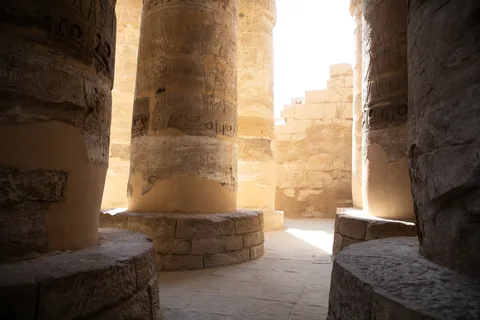
Luxor City Egypt: A Living Open-Air Museum on the Nile
Luxor City in Egypt sits as the modern gateway to Thebes, where massive temples, tomb complex clusters, and the Nile define the urban landscape. This guide helps travelers understand the core districts, must-see sites, and practical steps to plan private Egypt tours centered on Luxor and nearby Aswan routes.
Why Luxor matters today
Luxor’s east bank hosts Karnak and Luxor Temple, while the west holds the Valley of the Kings, Queens, and many mortuary temples. The city’s growth since the bridge linking east and west in 1997 reshaped visitor access and local services. For first-time visitors, Luxor offers a concentrated itinerary: core ancient sites, riverfront promenades, and a living market scene.
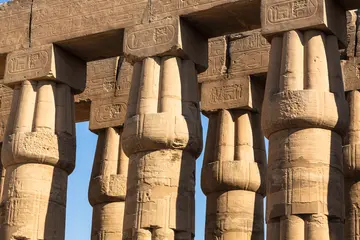
Core districts and how to navigate
- East Bank (thetemple axis): Karnak, Luxor Temple, riverfront promenades.
- West Bank (necropolis clusters): Valley of the Kings, Colossi of Memnon, Deir el-Medina.
- City center and markets: souks, cafes, and riverside hotels.
Practical steps to plan a Luxor-centered itinerary
- Define your focus: temple-rich history vs. tomb explorations vs. Nile scenery.
- Choose a stable basis: a Luxor-based hotel with easy river access.
- Schedule visits by season and heat: early mornings for outdoor sites, late afternoons for markets.
- Book private guides with licensed Egyptologists to maximize site context.
- Reserve flexible days for Karnak and the Valley of the Kings.
A concise decision framework
- If you want emblematic temples and a single-night river vibe, base on the East Bank with a day trip to Karnak and Luxor Temple.
- If you crave tomb discoveries and quieter experiences, prioritize the West Bank sites and Deir el-Mahara excursions.
- If you prefer river scenery and flexible itineraries, combine Nile cruises with day tours from Luxor.
Suggested day-by-day outline (example)
- Day 1: Karnak Temple complex, Luxor Temple by sunset.
- Day 2: Valley of the Kings, Hatshepsut Temple, Medinet Habu.
- Day 3: West Bank villages and Colossi of Memnon, optional hot-air balloon ride at dawn.
- Day 4: Nile cruise segment or optional Aswan extension for Abu Simbel.
Practical guidance and safety notes
- Current prices, schedules, access rules and availability must be confirmed with operators.
- Hire licensed guides and use protected entry tickets.
- Respect on-site rules, especially near tombs and sacred spaces.
For a deeper dive into Luxor’s archaeology, consider background on site contexts and environmental considerations in the region.
Frequently Asked Questions
What is the best time to visit Luxor?
Late fall to early spring (October–April) offers cooler weather for outdoor sites.
How many days should I spend in Luxor?
A four-day outline covers major temples and tombs with a relaxed pace.
Are private guides worthwhile in Luxor?
Yes. A licensed Egyptologist enhances context and safety for sensitive sites.
Can I combine Luxor with Aswan easily?
Yes. A short Nile cruise or land transfers between Luxor and Aswan provide efficient options.
Is Luxor safe for first-time visitors?
Luxor is generally safe for travelers; follow standard travel precautions and hire reputable operators.
Do I need to book tickets in advance?
Pre-arranging key monuments helps avoid lines, but on-site purchases are often possible.
Sources and planning references
Sources checked:
Plan your next step
Useful links to compare routes and plan the next part of your trip.